After the Czech Republic, we’re set to spend a couple of weeks exploring Poland. Our first two stops were in Krakow, the old royal capital, and Wrocław, the city that’s hard to pronounce. Actually, It isn’t that hard. Just keep in mind that the “W” sound like a “V”, the “c” sounds like “ts,” the “ł” sounds like a “w” and the second “w” sounds like “f.” Easy: “Vrots-wahf…” just like it’s written!
As mentioned, Krakow is the old royal capital, and is host to the famous Wawel Castle. According to legend, there was a dragon who lived at the base of the hill, but since it was killed centuries ago we opted not to visit. (We’ve been in Europe long enough to become somewhat blasé about castles…). The city also has a beautiful old town (spared destruction in WWII) surrounded by a green belt where the old city walls used to be.
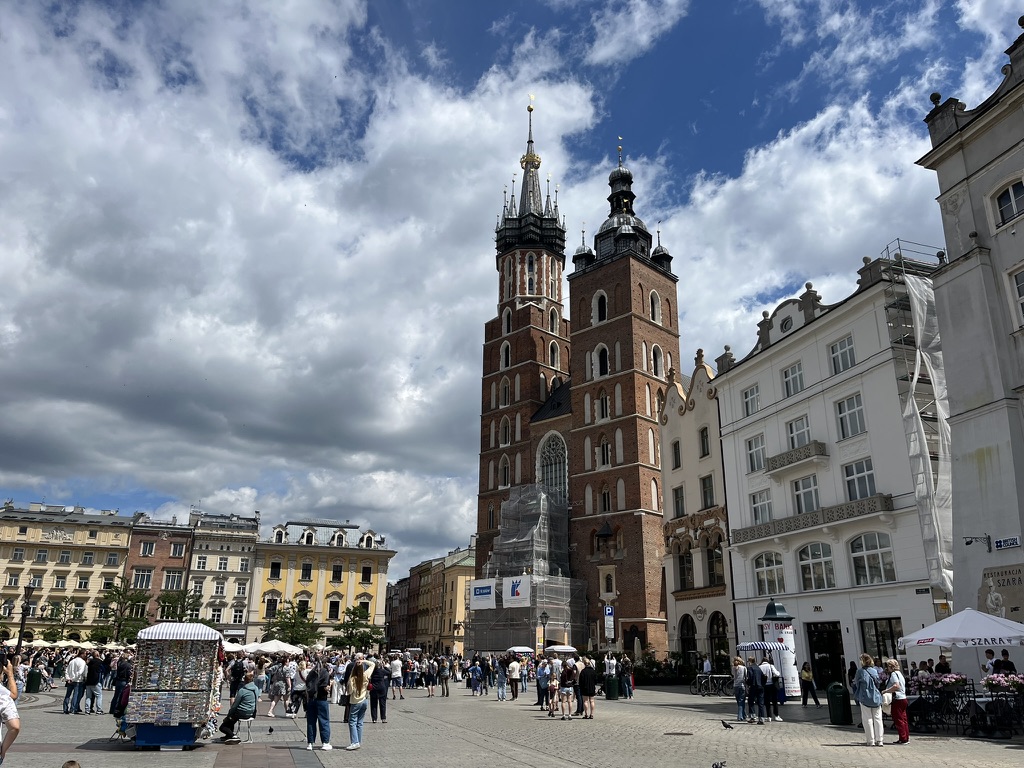
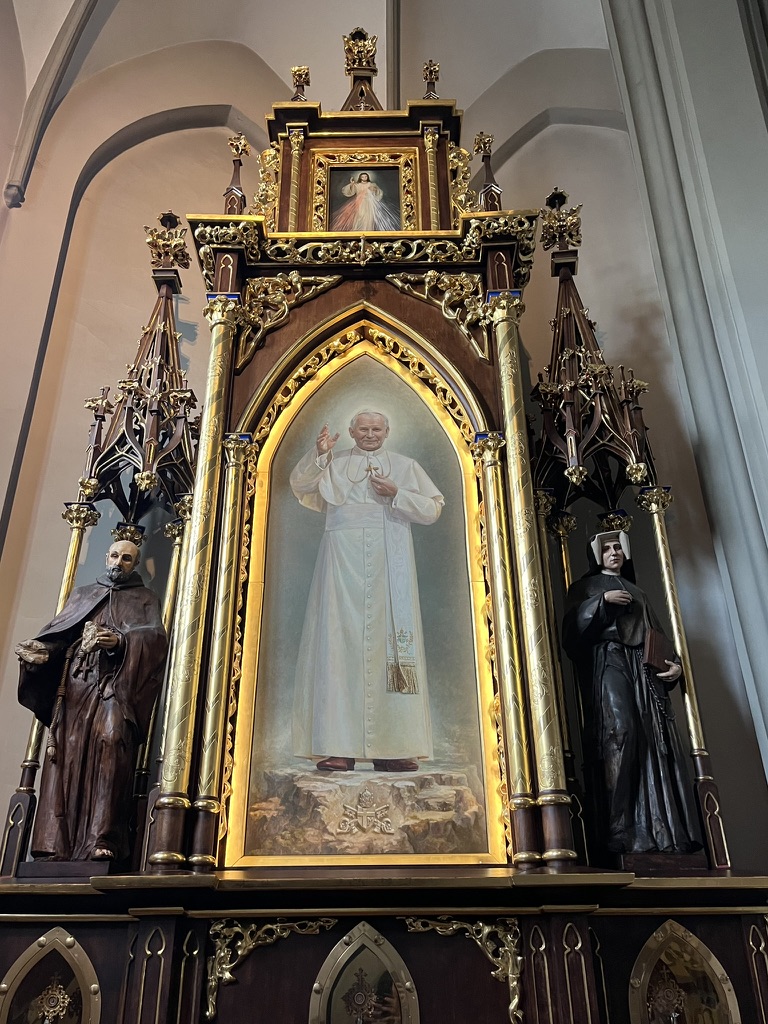
We were staying just outside of the old town in the old Jewish quarter of Kazimierz, which reminds one a bit of the Mile End on steroids, with all of its hip restaurants. We spent a couple of nice days exploring the old town, Kazimierz, and Podgórze, the neighbourhood just south of the Vistula. There was lots of history to learn and explore: a monument commemerating the battle of Grundwald between the Poles and the Teutons, as well as Schindler’s factory, the Jewish ghetto, and the horrors of the Holocaust. There were also lots of churches to visit, and all of them had an image of Poland’s favourite pope: John Paul II.
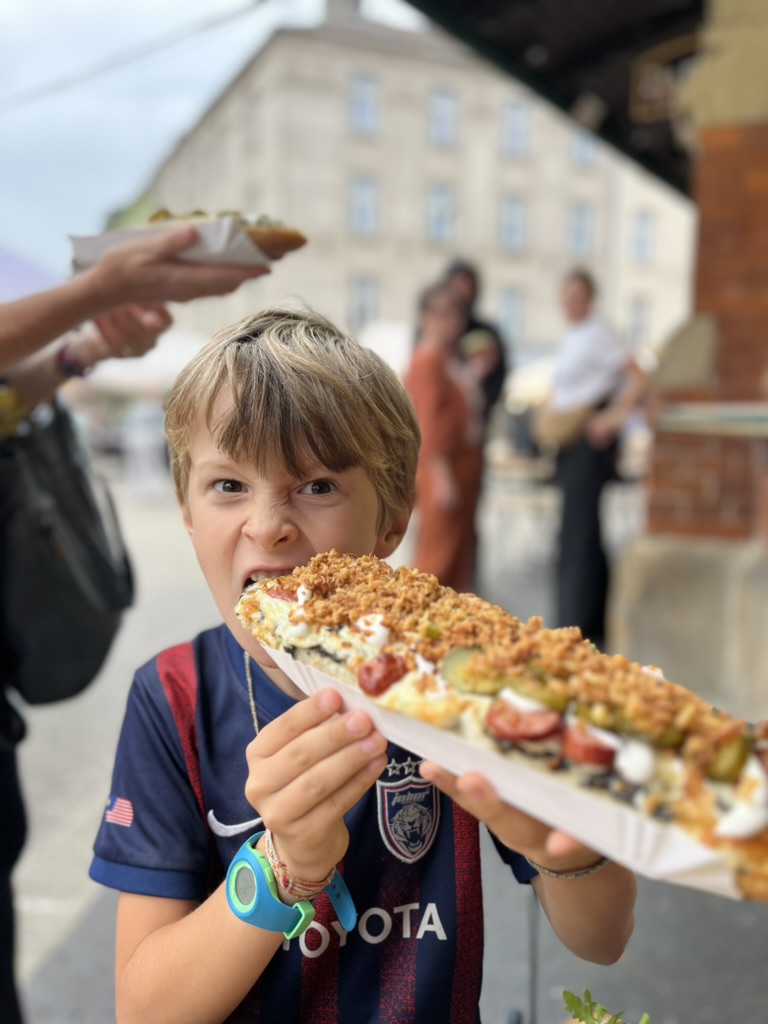
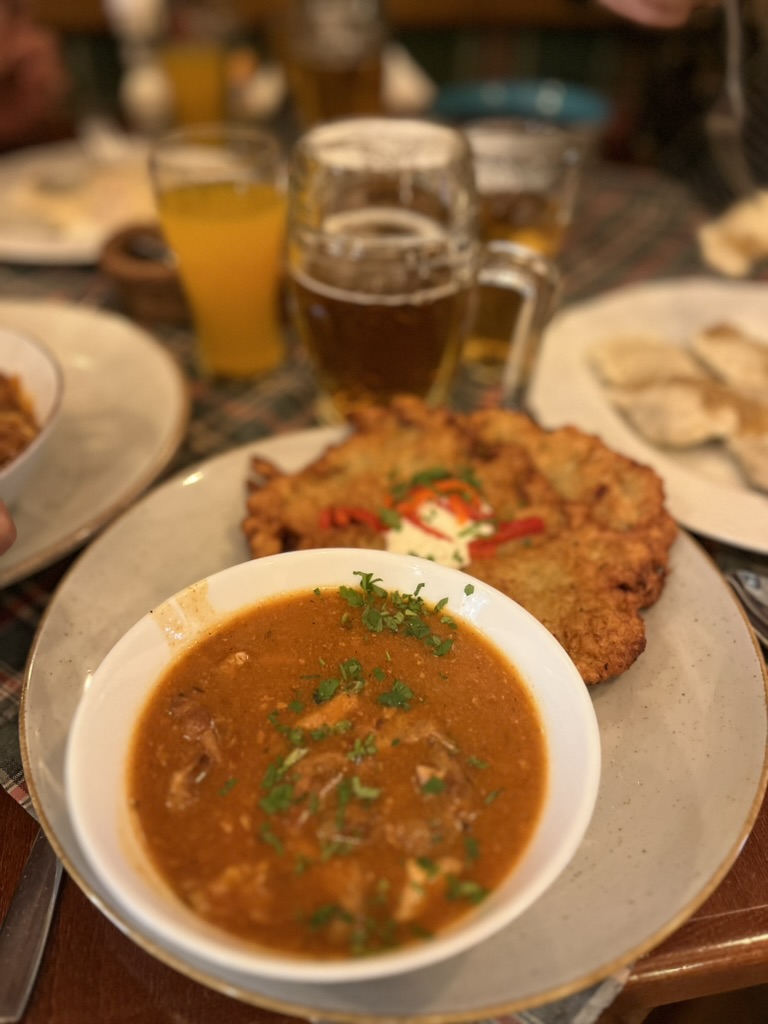
As we explored, we worked up an appetite, which we satiated with loads of wonderful Polish food: zapiekanki (open-faced toasted baguette sandwiches), latkes and potato pancakes, borscht, lots of sauerkraut, and a ton of pierogi. We were also excited to find bagel carts in the old town, only to be disappointed to find the bagels to be not very fresh… St-Viateur doesn’t have to worry about this competition.
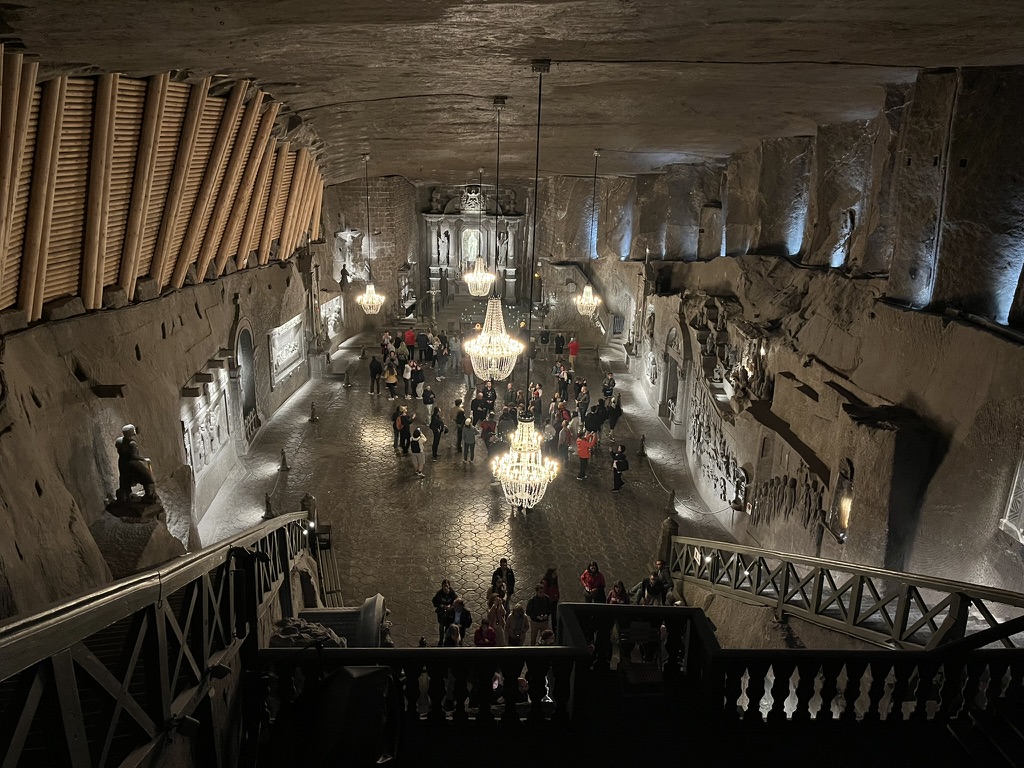
On one of our days, we opted to take a bus ride to the nearby Wieliczka Salt mine. I was expecting it to be pretty cool, but wow, it really surpassed my expectations! The mine had been in operation for about 700 years, but now it makes all of its money by ferrying loads of tourists through the tunnels. And boy, there were LOADS of tourists. We walked through about 2 km of tunnels (less than 1% of the mine!) on our tour, past statues carved from salt, and exhibits that explained the history. There was even a full church (with a statue of JPII) inside! And in case you were wondering, yes we did lick the walls. Yes, they were salty.
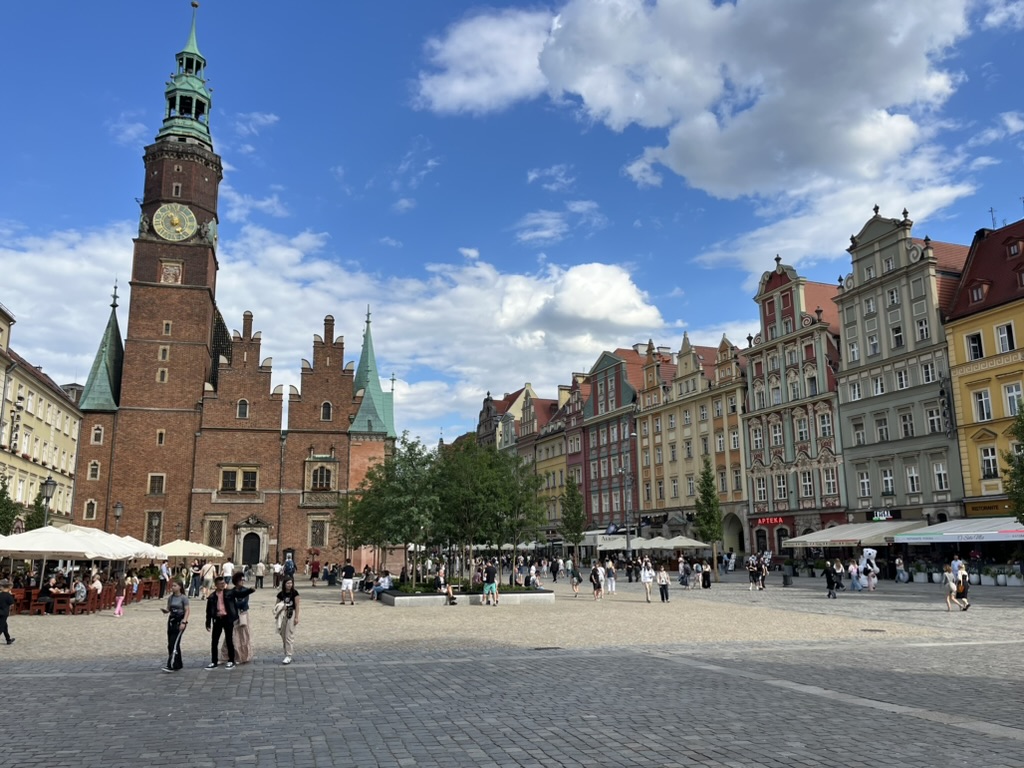
Krakow is one of the big draws in Poland, but I think we ended up preferring smaller Wrocław. It may have been the nicer weather, or the fact that we were there on the weekend so that it was lively, but we enjoyed the smaller scale of the beautiful old town.
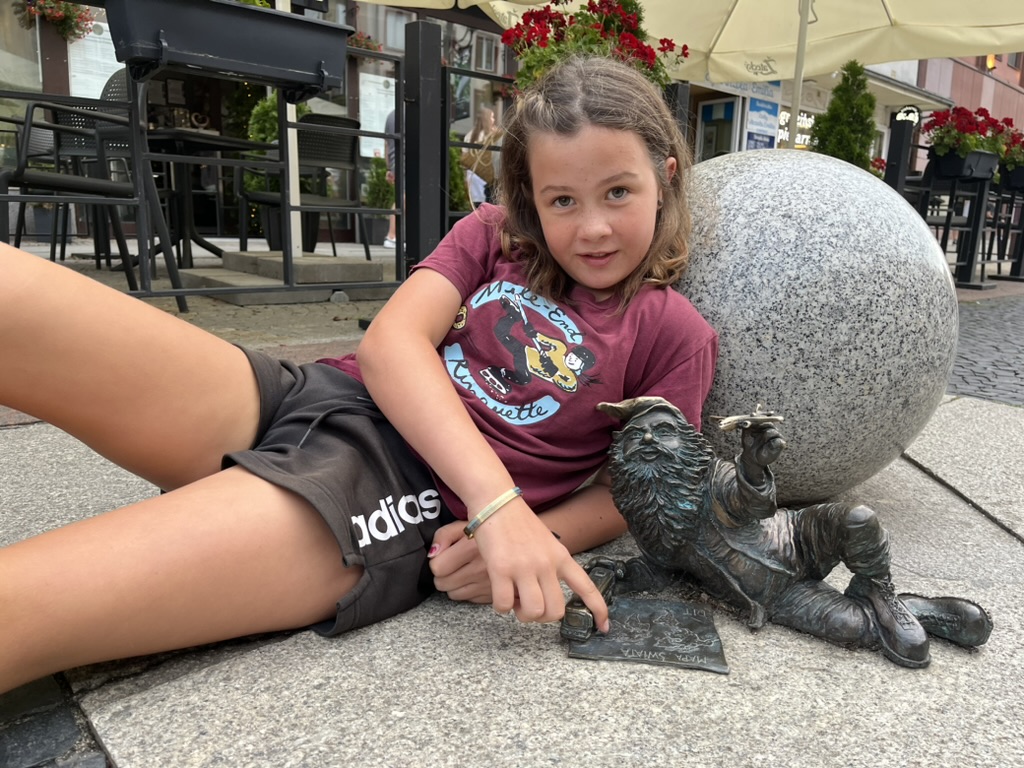
On top of that, the city has a wonderful gimmick for tourists: hundreds of small bronze statues of dwarves are scattered throughout the city. Each one has a different theme connected to a nearby landmark or business. Apparently, there is a link to anti-communist graffiti and demonstrations back in the ‘80s. But now, you can buy a map of the city with the locations of the dwarves. So that’s what we did, and we spent two days on a scavenger hunt around the city. The kids loved exploring with such purpose!